 Image 1 of 1
‘Once you choose hope, anything is possible.’ Christopher Reeves.
Join us for our monthly complimentary sound experience for cancer survivors and their families. Each month is a unique program introducing self healing practices ranging from singing bowls and tuning forks, laughter yoga, essential oils, meditations and of course a gong bath.
Space limited, booking essential.
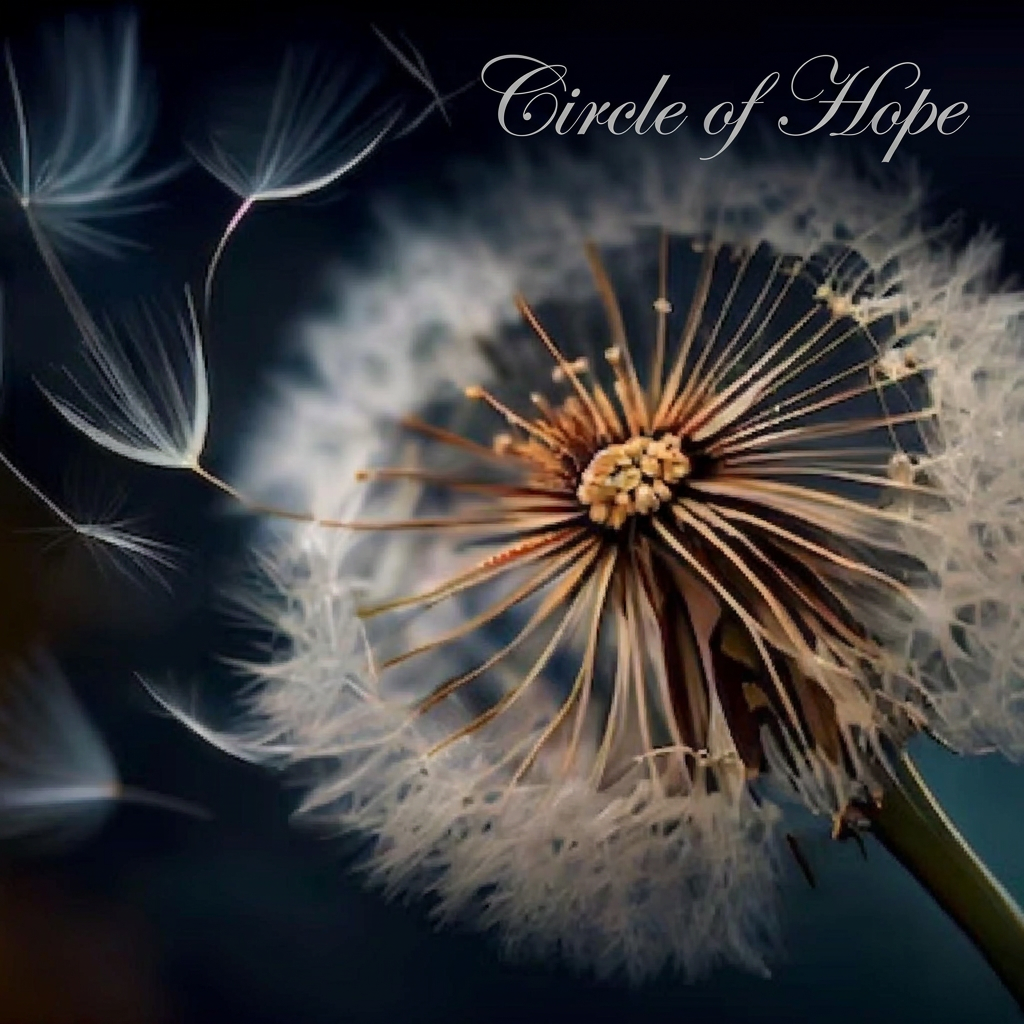
Why do I use the dandelion?
They embrace the following qualities… all of which we encapsulate in our unique sessions.
1. Folklore and Dandelion Meanings In various cultures, dandelions have been associated with magic, wishes, and the granting of desires. Folklore suggests that when you blow on a dandelion puff, your dreams and wishes will be carried on the wind, eventually coming true. This enchanting belief has made dandelions a symbol of hope and the power to manifest our deepest desires.
2. Healing Properties Dandelions have long been used in traditional medicine, particularly in European and Native American cultures. These plants are packed with vitamins and minerals, offering a variety of health benefits. As a result, dandelions have become a symbol of healing, rejuvenation, and overall well-being.
3. Resilience and Strength Dandelions are known for their ability to thrive in challenging conditions, pushing through concrete and returning year after year. This resilience has made them a powerful symbol of strength, determination, and the ability to overcome adversity. Just like dandelions, we too can tap into our inner strength and persevere through life's challenges.
4. Transformation and Renewal Dandelions undergo a remarkable transformation from bright yellow flowers to delicate, wispy seed heads. This metamorphosis represents personal growth, change, and the power of transformation. Embracing the dandelion meaning in this context can inspire us to shed old habits, embrace new beginnings, and trust in our ability to evolve.
https://www.flowerchimp.com/blogs/news/the-meaning-of-dandelions-and-symbolism
‘Once you choose hope, anything is possible.’ Christopher Reeves.
Join us for our monthly complimentary sound experience for cancer survivors and their families. Each month is a unique program introducing self healing practices ranging from singing bowls and tuning forks, laughter yoga, essential oils, meditations and of course a gong bath.
Space limited, booking essential.
Why do I use the dandelion?
They embrace the following qualities… all of which we encapsulate in our unique sessions.
1. Folklore and Dandelion Meanings In various cultures, dandelions have been associated with magic, wishes, and the granting of desires. Folklore suggests that when you blow on a dandelion puff, your dreams and wishes will be carried on the wind, eventually coming true. This enchanting belief has made dandelions a symbol of hope and the power to manifest our deepest desires.
2. Healing Properties Dandelions have long been used in traditional medicine, particularly in European and Native American cultures. These plants are packed with vitamins and minerals, offering a variety of health benefits. As a result, dandelions have become a symbol of healing, rejuvenation, and overall well-being.
3. Resilience and Strength Dandelions are known for their ability to thrive in challenging conditions, pushing through concrete and returning year after year. This resilience has made them a powerful symbol of strength, determination, and the ability to overcome adversity. Just like dandelions, we too can tap into our inner strength and persevere through life's challenges.
4. Transformation and Renewal Dandelions undergo a remarkable transformation from bright yellow flowers to delicate, wispy seed heads. This metamorphosis represents personal growth, change, and the power of transformation. Embracing the dandelion meaning in this context can inspire us to shed old habits, embrace new beginnings, and trust in our ability to evolve.
https://www.flowerchimp.com/blogs/news/the-meaning-of-dandelions-and-symbolism